What is Chemical Earthing? Complete Guide for Electrical Safety
Chemical earthing is an advanced grounding solution used to protect electrical systems and equipment from fault currents and lightning strikes. It helps maintain a stable electrical connection with the ground and ensures safety in residential, commercial, and industrial environments. A properly installed chemical earthing system improves electrical safety, reduces equipment damage, and provides long-term reliability.
What is Chemical Earthing?
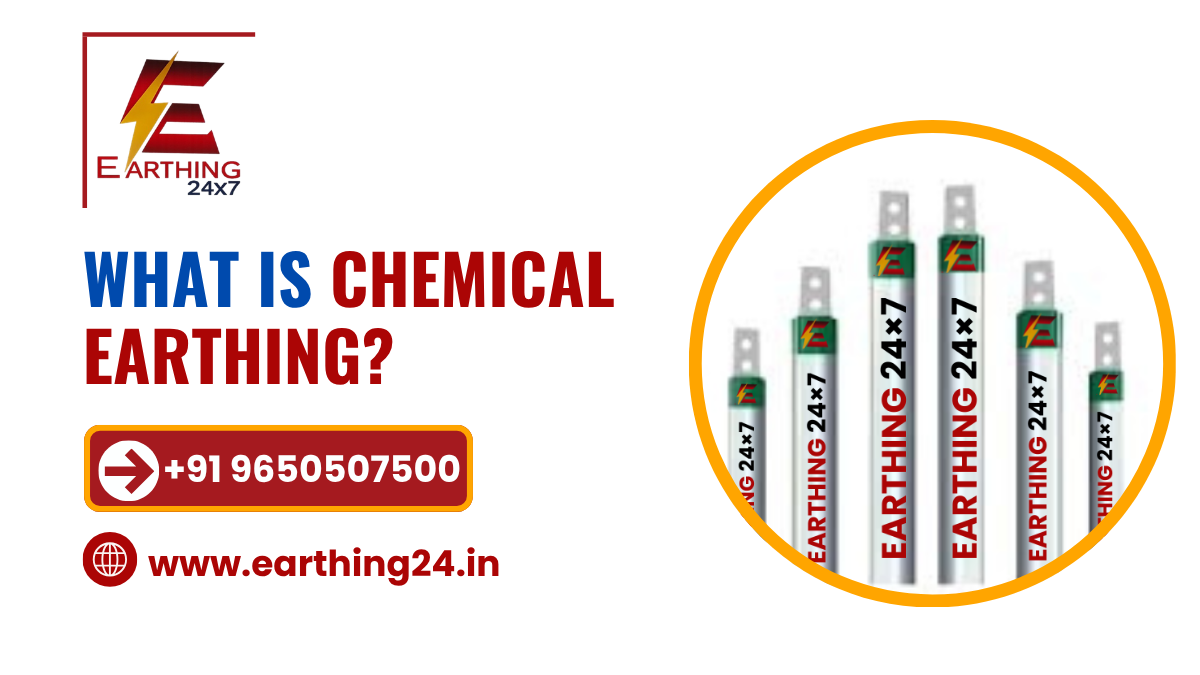
Chemical earthing is a type of earthing system that uses conductive compounds and electrodes to achieve low electrical resistance with the soil. Unlike traditional earthing methods, chemical earthing uses special chemicals that enhance conductivity and maintain stable grounding performance even in dry or rocky soil conditions.
This system is widely used in electrical installations where consistent grounding is essential for safety and equipment protection.
Why Chemical Earthing is Important
Chemical earthing plays a crucial role in electrical safety. Without proper earthing, electrical faults can damage equipment and pose serious safety risks. A chemical earthing system ensures that fault currents safely flow into the ground, preventing accidents and system failures.
It also protects sensitive electrical equipment from voltage fluctuations and lightning surges, making it an essential component of modern electrical infrastructure.
Benefits of Chemical Earthing
A chemical earthing system offers several advantages compared to traditional earthing methods:
- Provides low electrical resistance for better grounding performance
- Works effectively in all types of soil conditions
- Offers long life and corrosion resistance
- Requires low maintenance
- Improves overall electrical safety
Because of these benefits, chemical earthing is commonly used in commercial buildings, industries, telecom towers, and power installation
Applications of Chemical Earthing
Chemical earthing is used in many types of electrical installations, including:
- Residential buildings
- Commercial complexes
- Industrial plants
- Data centers
- Telecom towers
- Solar power systems
- Electrical substations
These applications require reliable grounding systems to ensure the safe operation of electrical equipment.
Chemical Earthing Installation Process
The installation of chemical earthing involves several steps to ensure proper grounding:
- Digging a suitable pit for the electrode installation
- Placing the chemical earthing electrode into the pit
- Filling the pit with conductive compounds and soil mixture
- Connecting the electrode to the electrical grounding system
- Testing the earthing resistance to ensure proper performance
Professional installation is important to achieve optimal results and maintain electrical safety.
Why Choose Professional Earthing Services
Installing a chemical earthing system requires technical knowledge and proper equipment. Professional earthing service providers ensure that the system is installed according to electrical safety standards and performs efficiently for a long time.
Expert installation also helps reduce maintenance issues and ensures reliable grounding for electrical systems.
Conclusion
Chemical earthing is one of the most effective grounding solutions for modern electrical systems. It provides reliable electrical protection, improves safety, and ensures stable grounding performance in various environments. Whether for residential, commercial, or industrial installations, a properly designed chemical earthing system is essential for maintaining electrical safety and protecting valuable equipment.