Earthing is the process of connecting electrical systems to the ground to safely discharge excess current. It protects people from electric shock, prevents equipment damage and ensures electrical safety.
What is Earthing?
Earthing is a safety system that connects electrical equipment directly to the ground. It allows excess current to flow safely into the earth. As a result, it prevents electric shocks and protects electrical systems from damage.
In simple terms, earthing creates a safe path for fault current. Therefore, it plays a critical role in every electrical installation.
Why is Earthing Important?
Earthing is important because it protects both people and equipment. Without proper earthing, leakage current can pass through appliances and create dangerous situations. Moreover, voltage fluctuations can damage sensitive devices.
Because of this, earthing ensures system stability and reduces risks. In addition, it improves overall electrical performance.
In simple terms, earthing creates a safe path for fault current. Therefore, it plays a critical role in every electrical installation.
Where is Earthing Used?
Earthing is used in all types of electrical environments. It ensures safety and reliability across multiple sectors.
Common Applications:
- Residential buildings
- Commercial complexes
- Industrial plants
- Power stations
- Telecom towers
- Data centers
In all these areas, earthing supports safe and stable operation.
Because of this, earthing ensures system stability and reduces risks. In addition, it improves overall electrical performance.
In simple terms, earthing creates a safe path for fault current. Therefore, it plays a critical role in every electrical installation.
How Does Earthing Work?
Earthing works by providing a low-resistance path for excess current. When a fault occurs, the current flows into the ground instead of passing through a person or equipment.
As a result, earthing reduces the risk of electric shock. Furthermore, it protects electrical devices and maintains system balance.
Key Benefits of Earthing
Earthing provides several advantages that improve safety and efficiency.
Major Benefits:
- Prevents electric shock
- Protects electrical appliances
- Reduces fire hazards
- Maintains voltage stability
- Improves system reliability
Therefore, earthing becomes essential for long-term electrical safety.
Types of Earthing Systems
Different earthing systems are used based on installation requirements.
Common Types:
- Plate earthing
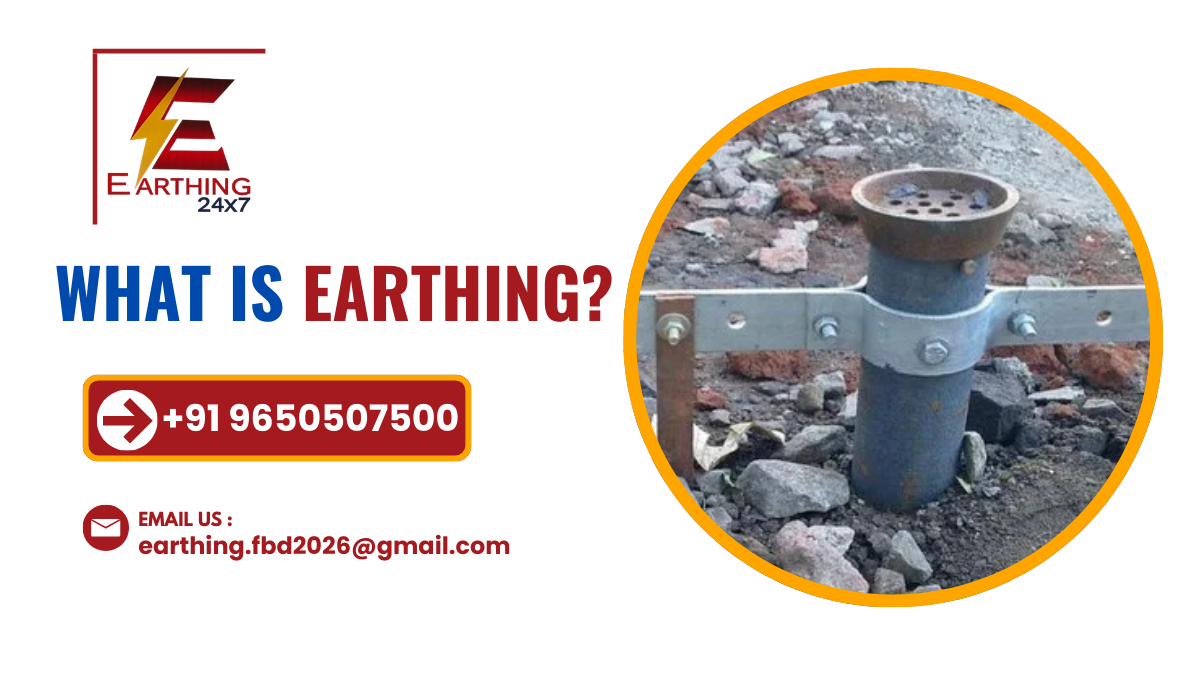
- Pipe earthing
- Chemical earthing
- Rod earthing
Among these, chemical earthing is widely used because it offers better efficiency and requires less maintenance.
Role of Earthing 24x7 in Earthing Solutions
Earthing 24×7 provides advanced earthing solutions across India. The company offers high-quality products along with expert installation services. In addition, the team ensures proper system design and long-term reliability.
Earthing 24×7 specializes in chemical earthing, GI earthing and copper earthing systems. Because of their expertise, they deliver safe and durable solutions for all applications.
Conclusion
Earthing is a fundamental part of every electrical system. It ensures safety, protects equipment and improves performance. From residential buildings to industrial plants, earthing plays a key role in preventing electrical hazards.
If you need reliable earthing solutions, Earthing 24×7 provides professional support and high-quality systems for long-term safety.
FAQs
What is earthing in simple words?
Earthing is the process of connecting electrical systems to the ground so that excess current can flow safely into the earth and prevent electric shock.
Why is earthing necessary?
Earthing is necessary because it protects people from electric shock, prevents equipment damage and ensures safe electrical operation.
Where is earthing used?
Earthing is used in homes, industries, commercial buildings, power systems and telecom installations for electrical safety.
How does earthing protect us?
Earthing provides a safe path for fault current. As a result, it prevents current from passing through the human body and reduces risks.
What are the types of earthing?
Common types of earthing include plate earthing, pipe earthing, chemical earthing and Gel earthing .